Tag: https://www.m88linkvn1.com
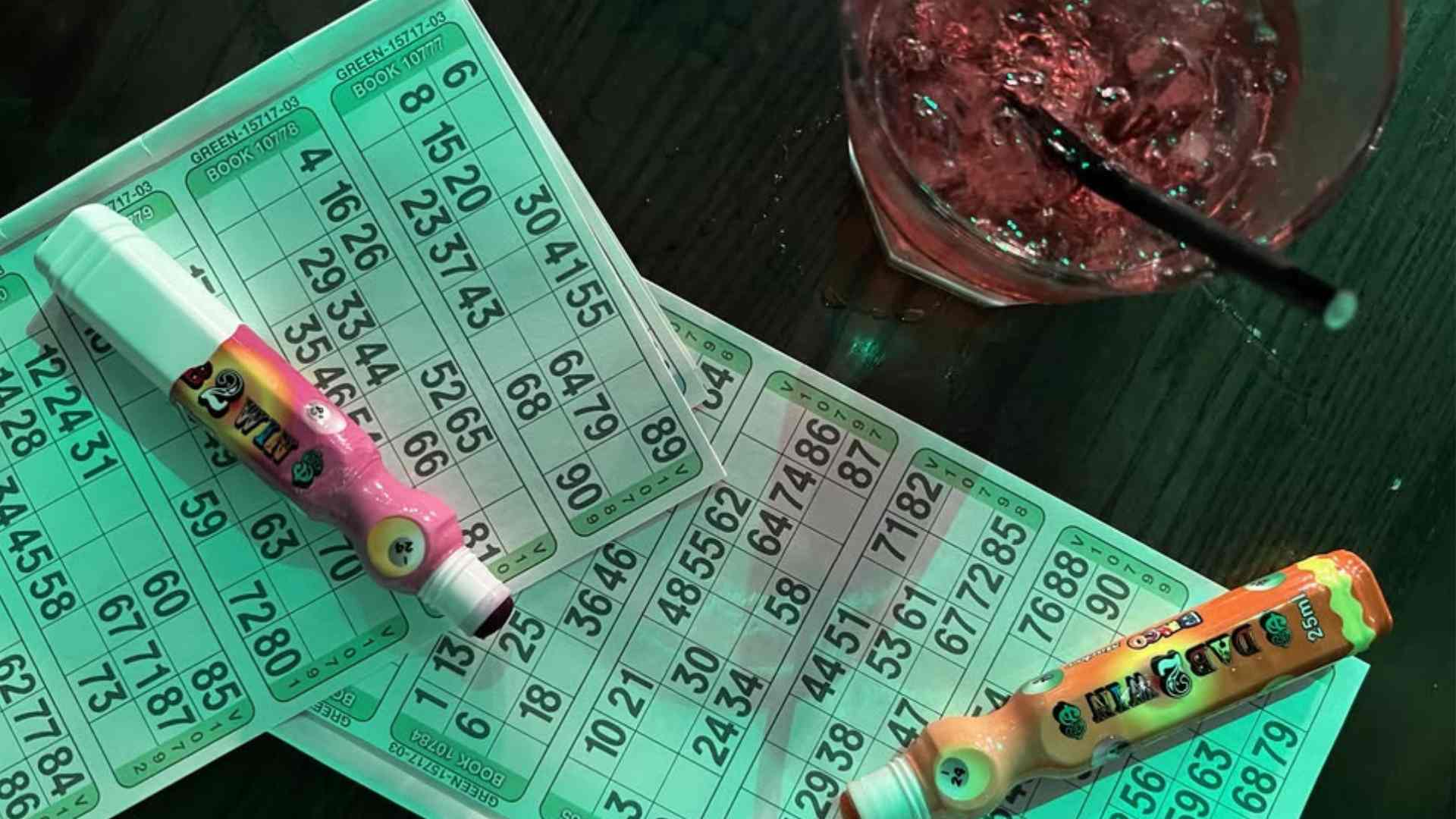
Winning Numbers for the Lottery How to Check...
Tracking down the official winning numbers after a lottery drawing is an essential step for every ticket holder. Knowing exactly where to look ensures that you receive accurate information without delay. With several convenient digital and physical verification methods available today, confirming your ticket status has never been simpler.
Official State Lottery Websites and Mobile Apps
The most reliable source for current lottery results is the official website of your local or state lottery commission. These platforms publish verified winning numbers immediately following the completion of each official live drawing. Most commissions also offer dedicated mobile applications that allow users to scan physical tickets directly for instant verification.
Using official digital channels protects players from relying on outdated or unverified third-party sources. Many apps also feature customizable notifications that alert you as soon as new winning combinations are posted. This approach provides maximum convenience while eliminating guesswork.
Authorized Retailers and Ticket Scanners
Visiting a licensed lottery retailer remains a popular and dependable way to verify your game tickets. Most convenience stores and grocery outlets equipped with lottery terminals feature self-service ticket checkers. Players can simply scan the barcode on their ticket to see if it matches any winning prize tier.
Retail clerks can also process tickets directly through the main terminal system to confirm cash payouts. For those who enjoy exploring online gaming platforms, checking out services like link m88 offers insight into modern digital entertainment options. However, for physical lottery tickets, authorized local storefronts remain the gold standard for claiming immediate cash prizes.
Live Broadcasts and Trusted News Outlets
Many major lottery games broadcast their live number selections on local television networks or official web streams. Watching the broadcast live allows participants to experience the excitement as each ball is selected in real time. Local news broadcasts and reputable news websites also report official winning numbers shortly after drawings conclude.
If you miss the live broadcast, recorded videos are usually uploaded to official video channels within minutes. Cross-referencing results across multiple trusted news stations provides extra peace of mind before discarding any tickets. Always double-check the drawing date printed on your ticket against the broadcast schedule.
Best Practices for Ticket Verification and Claiming
Before checking your numbers, always sign the back of your physical lottery ticket to establish legal ownership. Carefully compare your numbers against the official results for the correct draw date, paying close attention to power balls or multiplier options. Even if you miss the jackpot, your ticket may still qualify for smaller secondary cash prizes.
Keep your tickets in a safe, dry location until you have fully verified the results. If you hold a winning combination, follow the state guidelines for claiming your reward before the expiration deadline. Taking a systematic approach to verifying drawing results ensures you never overlook a potential cash prize.

do you pay taxes on casino game winnings...
Navigating the financial obligations that follow a successful gaming session is essential for players who enjoy casino games. Many individuals wonder whether payouts from table games or slot machines are subject to government taxation. In most jurisdictions, gaming profits are legally considered taxable income that must be reported accurately to tax authorities.
How Tax Authorities Classify Casino Earnings
Revenue agencies generally categorize money won from gambling activities as fully taxable income regardless of the payout size. This includes cash prizes from card games, electronic machines, lotteries, and sports betting. Players are expected to report these financial gains on their annual tax returns alongside regular employment income.
Tax withholding procedures often depend on the specific amount won and the type of game played. For instance, large payouts from slot machines or tournaments typically trigger immediate tax reporting forms issued by the venue. Smaller routine table payouts might not require instant paperwork, but the legal responsibility to report them remains unchanged.
The Impact of Geographic Location and Local Laws
Tax regulations for casino patrons vary significantly depending on the country or state where the gaming takes place. In the United States, federal taxes apply universally, while individual states may add their own income tax rates on top of national requirements. Conversely, some international regions choose not to tax gambling income at all for casual players.
Understanding local rules is particularly important for international travelers and online enthusiasts who participate in digital entertainment. Players who visit platforms such as link m88 terbaru hari ini often examine international gaming guidelines to understand how cross-border profits are treated. Consulting local tax laws ensures full compliance no matter where the games are accessed.
Deducting Losses Against Your Casino Winnings
One common question among regular players is whether financial losses can offset the taxes owed on payouts. In many legal systems, itemized tax returns allow taxpayers to deduct gambling losses up to the total amount of declared winnings. However, you cannot claim a net loss to reduce your regular taxable income from other sources.
To successfully claim deductions for losses, players must maintain accurate records and detailed documentation of their gaming activity. Keeping daily logbooks, receipts, and bank statements provides the evidence required during official audits. Without proper proof of loss, tax authorities may reject deductions and tax the full gross winning amount.
Best Practices for Record Keeping and Filing
Maintaining a dedicated tracking log is the most reliable way to handle tax reporting at the end of the year. Record the date, physical venue or platform, specific game played, and the exact amounts won or lost during each session. This proactive habit eliminates guesswork and ensures accurate numbers when filing tax returns.
Seeking advice from a qualified tax professional is recommended for anyone who frequently participates in high-stakes gaming. Financial advisors can clarify complex regulations, identify eligible deductions, and prevent costly penalties. Responsible management of your gaming finances provides peace of mind and long-term security.

Banker Drawing Rules Explained From Start To Finish
Understanding how the Banker hand operates in baccarat is often the most challenging aspect of mastering the table for new players. While the Player hand follows straightforward criteria, the Banker rules depend heavily on whether the opponent drew an extra card. Demystifying these exact conditions helps observers track every round with complete clarity.
The Initial Evaluation and Natural Totals
Every round commences with two cards dealt face up to both the Player and Banker positions. If either side holds a starting total of eight or nine, it is declared a natural result and the game ends instantly. Under these specific conditions, no additional cards are distributed to either position.
When neither hand secures a natural score, the game evaluates the Player hand first. The Player hand must draw a third card if its starting total is between zero and five. If the Player total stands at six or seven, no additional card is given.
The Advantage of Position and Standalone Totals
The Banker hand acts second, giving it a positional advantage that dictates how its third card decision is made. If the Player hand stands pat without drawing, the Banker applies the simple standard rule. Under this scenario, the Banker draws with five or less and stands on six or seven.
Automatic draws occur whenever the Banker has an initial two-card total of zero, one, or two. In these instances, the Banker receives a third card regardless of what the Player hand holds or draws. Players observing live feeds via link vào m88 can quickly spot these fundamental routines in motion.
Conditional Drawing Rules Based on the Third Card
Complexities arise when the Player hand draws a third card, as the Banker's next move depends directly on that specific card value. For example, a Banker total of three draws against any card except an eight. If the Banker holds four, a card is drawn only if the Player's third card was between two and seven.
When the Banker holds five, a third card is drawn if the Player's extra card was four through seven. Conversely, a Banker total of six only draws if the Player's third card was a six or seven. Finally, a Banker total of seven always stands, regardless of the opponent's draw.
Why the Structured Chart Creates Favorable Odds
These detailed guidelines are non-negotiable fixed rules executed entirely by the dealer without player intervention. Because the Banker acts last with full knowledge of the Player's draw, it carries a lower house edge. This structural edge explains why a small commission is standard on winning Banker bets across modern tables.
Learning the complete chart removes the mystery behind sudden extra card draws during active play. Understanding this flow empowers enthusiasts to watch every hand develop with total confidence.

Why Folding Can Strengthen Rather Than Damage Confidence
In strategic card games, laypersons often mistake folding as a sign of defeat or emotional weakness. However, making a disciplined retreat at the table is one of the clearest demonstrations of high-level mental strength and strategic maturity. Understanding why folding can strengthen rather than damage confidence allows players to build a resilient mindset focused on long-term performance.
Overcoming Ego-Driven Decisions at the Table
Novice players frequently cling to mediocre hands because their ego perceives surrendering as a personal failure. True confidence develops when a competitor detaches self-worth from individual hand outcomes and focuses on logical execution. Releasing a weak holding reinforces personal control over impulse and pride.
When players refuse to let emotions dictate their choices, they preserve vital resources for far more favorable situations. This disciplined behavior creates a foundation of inner trust, as players prove to themselves that they can execute sound judgment under pressure. Over time, this habit eliminates the anxiety associated with making tough defensive plays.
Protecting Capital Builds Psychological Freedom
Maintaining a strong bankroll directly correlates with sustained confidence during competitive sessions. Every time a player lays down a losing hand, they actively safeguard their capital from unnecessary drain. Protecting chips ensures that a competitor remains in the game with full operational freedom.
Many strategic enthusiasts analyze competitive card dynamics and practice decision-making by accessing platforms via link vào m88 to refine their strategic discipline. Recognizing when to step back prevents emotional distress caused by avoidable financial setbacks. Financial preservation gives players the peace of mind required to strike decisively when probability favors them.
Replacing Sunk Cost Fallacy With Self-Trust
A common cognitive trap at the poker table is the tendency to keep betting simply because one has already invested chips into the pot. Yielding to this fallacy erodes confidence by trapping players in losing cycles driven by past mistakes. Recognizing that invested capital is gone enables sharp strategists to make clear, forward-looking evaluations.
By choosing to fold, a player breaks the cycle of reactive decision-making and reasserts rational control over their strategy. This practice reinforces trust in one's analytical capabilities rather than relying on desperate hopes. Consequently, each disciplined fold serves as tangible proof of a sharp and unbiased tactical mind.
Building Long-Term Strategic Resilience
Confidence grounded in short-term luck is fragile and easily shattered by inevitable variance. In contrast, conviction built on consistent, mathematically sound choices creates long-term resilience. Master strategists understand that folding is an active, calculated decision rather than a passive retreat.
When players view folding as a vital strategic tool, they view table dynamics with clarity instead of fear. This shift in perspective transforms moments of adversity into displays of composure and tactical patience. Ultimately, mastering the art of the disciplined fold solidifies a quiet, enduring self-assurance that carries through every session.